
Bwiti Culture
An ancient living tradition rooted in the forests of Gabon, Central Africa.
The Tradition
What is Bwiti?
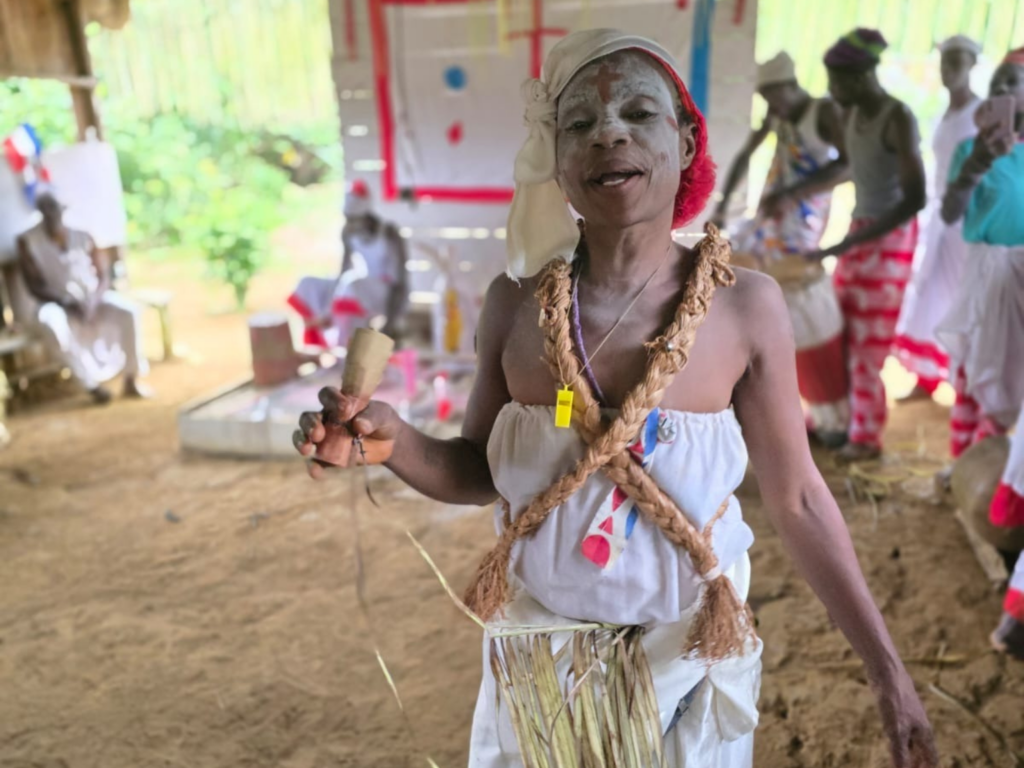
Bwiti is an ancient spiritual tradition originating among the forest-dwelling peoples of Gabon and Cameroon in Central Africa. At its heart, Bwiti is a path of self-knowledge, ancestral connection, and communion with nature.
Central to Bwiti practice is the use of the iboga plant, whose root bark has been used for centuries as a sacrament in initiation ceremonies. The iboga experience is considered a gateway to the spirit world, enabling direct communication with ancestors and deep personal insight.
Bwiti is not a religion in the Western sense but rather a living tradition — a way of understanding one’s place in the cosmos through direct spiritual experience, community, music, and the wisdom of the forest.
The Sacred Plant
What is Iboga?
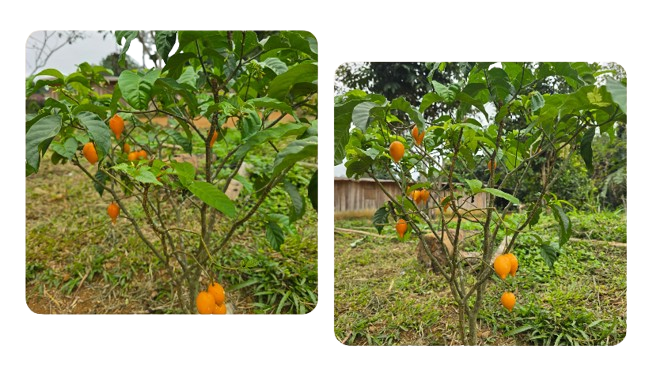
Iboga is a sacred plant native to the forests of Central Africa, and lies at the heart of Bwiti spiritual practice.
Within the Bwiti tradition, iboga is not seen as a substance, but as a living spirit and teacher, guiding individuals through processes of healing, truth, and reconnection.
For generations, iboga has been used in initiations, ceremonies, and healing rites to facilitate deep introspection and spiritual alignment. It is considered a bridge between the physical and spiritual worlds.
In the Bwiti Fang tradition, iboga is always used within a structured ceremonial framework, guided by experienced Nimas and elders, and supported by ritual, music, and community.
This context is essential. Iboga is not separate from the tradition that holds it.
Conservation
Iboga and Conservation
Iboga is a slow-growing plant that requires many years to mature. As global interest has increased, so has the pressure on wild iboga populations.
Within Bwiti, the relationship with iboga has always been one of respect, reciprocity, and stewardship.
At Bwiti Roots, we are committed to:
- Sourcing iboga directly from our family's land
- Supporting small-scale, sustainable cultivation
- Protecting wild iboga populations from overharvesting
- Reinvesting into the village to ensure continuity
Preserving iboga is not only about protecting a plant, but safeguarding an entire cultural and spiritual ecosystem.
Lineage
Living Tradition & Lineage
Bwiti is a living tradition, transmitted through families, communities, and direct experience.
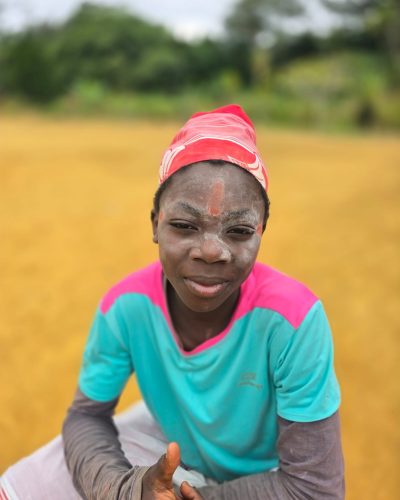
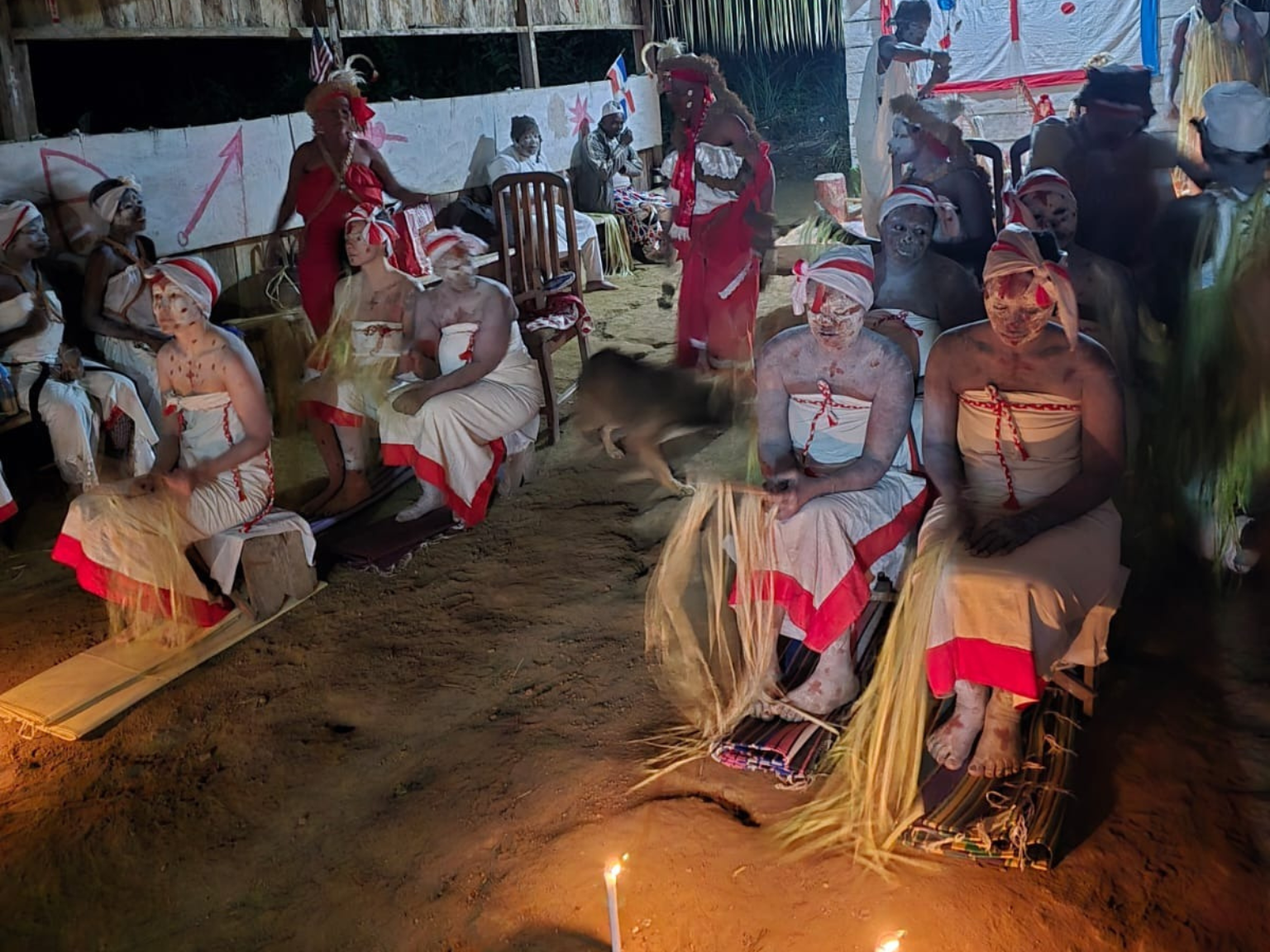
At Bwiti Roots, our work is grounded in a direct Bwiti Fang lineage, with ceremonies guided by hereditary practitioners and elders from our ancestral village.
This ensures the tradition is preserved and practiced as it has been passed down.
Integrity
The Roots of Bwiti
As Bwiti has become more widely known outside of Africa, it has often been misunderstood or taken out of context.
In its original form, Bwiti is inseparable from its cultural, spiritual, and communal foundations.
At Bwiti Roots, we are committed to sharing Bwiti with integrity, respect, and reciprocity.
Respecting the Tradition
The roots of Bwiti stretch back centuries into the forests of Central Africa.
The exact origins of Bwiti are difficult to trace, as the tradition has been passed down orally for generations. Scholars estimate that Bwiti practices are at least several centuries old, with roots in the Pygmy peoples of the equatorial forest who first discovered the properties of the iboga plant.
The tradition was later adopted and developed by the Fang, Myene, and other Bantu-speaking peoples of Gabon. In the 19th and 20th centuries, Bwiti evolved in response to colonialism and the arrival of Christianity, creating new syncretic branches that blended ancestral wisdom with Christian themes.
Today, Bwiti remains a vital, living tradition practiced by a significant portion of the Gabonese population. It has been recognized by the Gabonese government as part of the nation’s cultural heritage.
Spiritual Leaders
What is a Bwiti Nima?
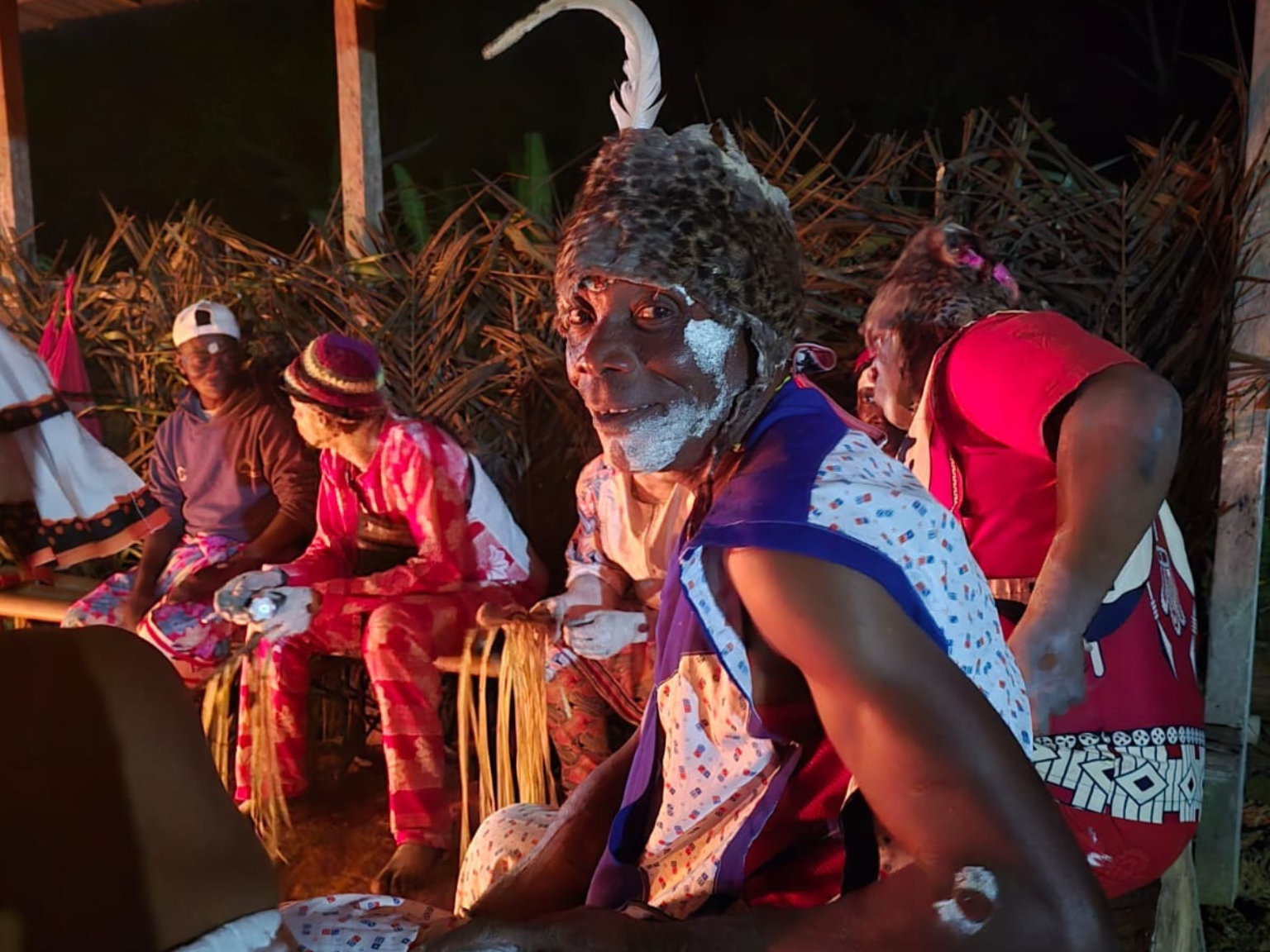
A Nima is a spiritual leader, healer, and ceremonial guide within the Bwiti tradition. The role of Nima is earned through years of training, initiation, and apprenticeship under experienced practitioners.
Nimas are responsible for leading ceremonies, administering the iboga sacrament, and guiding initiates through their spiritual journeys. They serve as intermediaries between the physical and spiritual worlds, using their knowledge of plants, music, and ritual to facilitate healing and transformation.
Branches of Bwiti
The main branches of Bwiti, each with its own traditions and practices.
Fang Bwiti
Myene Bwiti
Fang-Ebak Bwiti
Missoko Bwiti
Dissumba Bwiti
Musical Traditions
Music is the heartbeat of Bwiti ceremony.
Ngombi
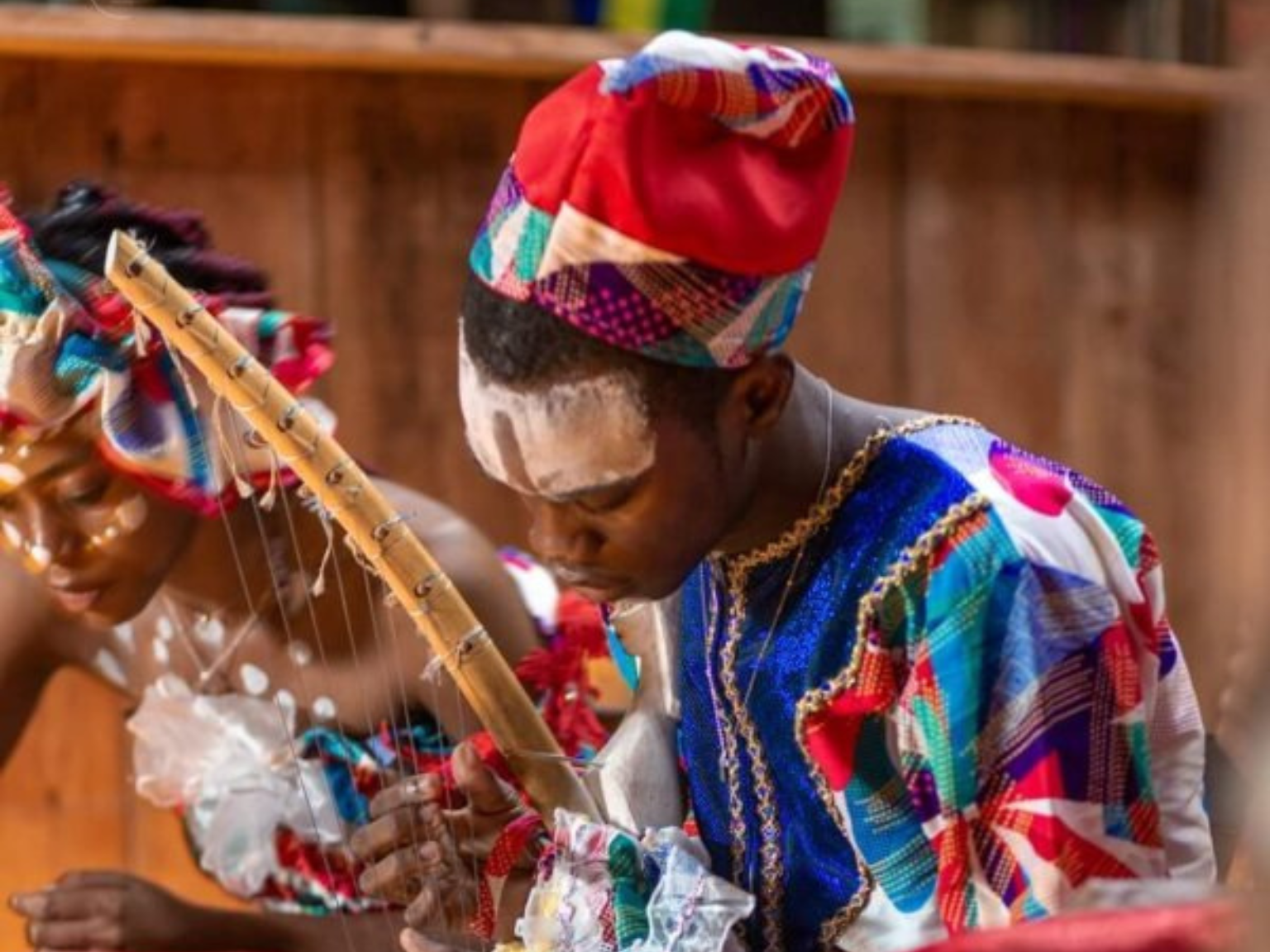
The sacred eight-string harp central to Bwiti ceremony. Its melodies guide initiates through spiritual journeys.
Mvet
A traditional zither used in storytelling and ceremony, accompanying epic oral narratives.
Mungongo
A ceremonial mouth bow whose tones carry deep significance in Bwiti
ceremony
Drums
Drums provide the rhythmic foundation of ceremony, connecting participants to the heartbeat of the earth
Experience Bwiti Firsthand
Join a traditional Bwiti initiation or ceremony guided by hereditary practitioners.