Latest News
Articles on Bwiti culture, traditional healing, and our community impact.
Blog post with meta info button
Want more click through? Leverage the blog post with meta info button style
7 Must-Read Books on Bwiti & Iboga
If you’re drawn to the sacred path of Iboga and want to understand the spiritual tradition of Bwiti, diving into the right reading material can be an illuminating first step. From detailed ethnographic studies to personal journeys and therapeutic insights, here’s a curated list of books that offer a deep look into the world of Iboga and Bwiti wisdom. 1. Bwiti: An Ethnography of the Religious Imagination in Africa — James W. Fernandez A classic and foundational text, this detailed ethnography dives into the symbolic world of the Fang Bwiti religion. Fernandez explores rituals, language, and the powerful imagination behind Bwiti cosmology. 2. Iboga: The Visionary Root of African Shamanism — Vincent Ravalec, Mallendi & Agnès Paicheler Blending personal experiences with teachings from a Bwiti Nima, this book offers an authentic and respectful entry into the world of Iboga. Perfect for readers who want more than a Western viewpoint. 3. The Ibogaine Story: Report on the Hallucinogenic Drug Ibogaine — Paul DeRienzo, Dana Beal & Bob Sisko An activist take on Ibogaine and its promise in addiction treatment. This book charts the journey of Iboga from the forests of Gabon to Western clinical settings. 4. Breaking Open the Head — Daniel Pinchbeck Part memoir, part exploration of contemporary shamanism, this book includes a gripping account of Pinchbeck’s initiation with Iboga in Gabon. Not without controversy, but undeniably thought-provoking. 5. Ibogaine Explained — Peter Frank A concise, straightforward guide to the effects, risks, and therapeutic benefits of Ibogaine. Ideal for those seeking to understand Iboga’s role in healing addiction. 6. Sacred Vine of Spirits: Ayahuasca — Edited by Ralph Metzner Though focused primarily on Ayahuasca, this book includes valuable context about Iboga and other plant teachers. A good read for those exploring cross-cultural plant medicine practices. 7. Listening to Ayahuasca — Rachel Harris, PhD Focused on Ayahuasca but with references to Iboga, this book looks at the therapeutic, emotional, and spiritual potential of plant medicine. Great for anyone interested in trauma healing and consciousness studies. Whether you’re preparing for an Iboga journey, researching Bwiti traditions, or simply curious about the plant spirit path, these books will provide a powerful foundation for your learning. If you are interested in learning more, we also have a list of must see films about Iboga Feel free to share this list with fellow seekers or save it for your next reading adventure.
A New Shop for Our Village
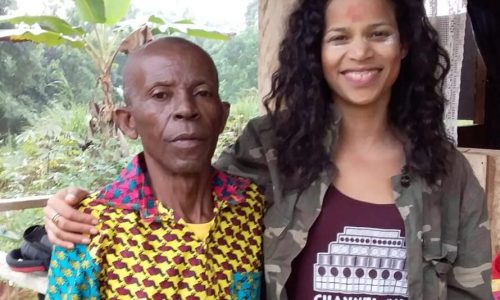
We are delighted to share exciting news from our community. Thanks to your generous donations and contributions from those who have joined our ceremonies, we are nearing the completion of a very special project: our community shop! Living in the heart of the forest offers incredible beauty and abundance, yet it also brings significant challenges. Our Bwiti village has no running water or connection to an electricity grid. Until recently, essential supplies could only be accessed by walking 10 kilometers to the nearest shop, a journey that took a full day, limiting the amount of goods we could bring back on foot. Understanding this pressing need, we initiated a project to construct and fully stock our very own Bwiti village shop. This shop is a beacon of self-sufficiency and community resilience. The shop is stocked with essential items such as cooking oil, canned foods, sugar, and phone credit. Additionally, we’ve installed charging outlets, allowing villagers to recharge their phones right here in the community. Moreover, this initiative also boosts our local economy, as profits generated by the shop are entirely reinvested into the community, managed by community members themselves. Our shelves proudly feature products we cultivate and gather from our own land, further deepening our connection with the forest and promoting sustainable living. Your support has transformed our vision into reality. This project aims to empower our village and neighboring communities with greater independence, improved accessibility, and sustainable growth. We thank you deeply for your kindness, generosity, and for being part of our journey toward self-sufficiency and harmony with the beautiful forest we call home. Stay tuned for updates as we officially open our doors and begin this exciting new chapter! If you want to support us you can do so by joining ceremonies, purchasing an item from our shop or by donating to us. With love from Ntann VillageAudrey and the Village Family
Bwiti Branches – A Comprehensive Guide
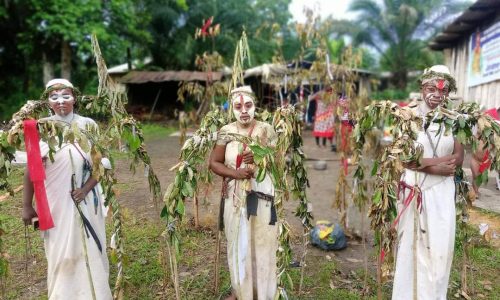
Bwiti is a complex initiatory society originating from the Mitsogo or Gapinzi groups in the Ngounié province of Gabon. This society has spread extensively across central and southern Gabon. This article explores Bwiti, its structure, and the various Bwiti branches that form this intricate cultural and spiritual network. The Structure of Bwiti An Initiatory Society Bwiti is fundamentally an initiatory society, characterized by a clear division between the profane (Etema) and the initiated (Banzi). Initiation involves consuming the hallucinogenic roots of the iboga shrub (Tabernanthe iboga) to induce visionary states. These visions and their interpretations validate the initiation process. Hierarchical Structure Bwiti operates on a hierarchical principle of seniority, where elders (Nima) command juniors (Banzi and Kombo). However, it is an acephalous society, meaning each community functions autonomously with a father or mother initiator or a council of elders at its head. Symbolism and Ceremonies The metaphor of the tree (getete) and its branches (mitabe) is central to Bwiti’s symbolism. Regular ceremonies involve all initiates, reinforcing the society’s cohesion and hierarchical structure. The iboga plays such a crucial role that it often symbolizes the entire initiatory society. Branches of Bwiti Bwiti Disumba The Bwiti Disumba is the mother branch, historically and hierarchically preeminent. It is exclusively masculine and serves both an identity and religious function. Boys must be initiated during adolescence (typically between 10 and 15 years) to participate in community decisions. Disumba ceremonies revolve around ancestral worship, with initiatory visions often involving journeys to the ancestral land and encounters with mythic entities. Characteristics: Strictly reserved for men. Deeply religious with a strong focus on ancestor worship. Relies on oral traditions to recount the Genesis from the creation of the world to humanity. Evolution and Related Branches: Bwiti Ndea The Bwiti Ndea is closely related to Disumba, differing mainly in its symbolic martial themes, reflecting historical conflicts between the Mitsogo and Bakele. Functionally, it is nearly identical to Disumba and often intertwined with it in Mitsogo villages. Bwiti Misoko The Bwiti Misoko branch specializes in therapeutic functions. Unlike Disumba, which focuses on collective spiritual initiation, Misoko’s initiation is individual and circumstantial, often following repeated misfortunes or illnesses. The visions here are diagnostic, identifying the source of affliction rather than engaging with mythic entities. Characteristics: Sub-Branches: The Babongo and Their Influence While not a distinct branch of Bwiti, the Babongo Pygmies are often credited with being the originators of the Bwiti tradition. The Babongo practice a rite called Mudimu, a rite of passage linked to a male’s first big game kill. This ritual, primarily male but with rare female initiates, is said to have influenced the development of bwiti branches. Mudimu Rite and Bwiti Origins The Mudimu ritual involves propitiatory hunting prayers (Buluma) and has been incorporated into Bwiti Misoko as a ritual sequence. According to many initiates, the Bwiti’s origins lie with the Pygmies. As one Bapunu initiator from Libreville states, “Bwiti is a religion created by our Pygmy ancestors in the virgin forest.” Another Bapunu initiate adds, “it was the Pygmies who first practiced the Bwiti. The Bwiti was performed in the bush, in the forest. Then the Mitsogo brought it back to the village.” Bwiti Akoa The Akoa Pygmies also have a non-sacred dance derived from Bwiti Disumba called the Bwiti Akoa Dance of Rejoicing. This dance involves no real initiation or visions and is performed solely by the Akoa Pygmies as a form of cultural expression. There is no Iboga in this branch. Bwiti Njembe The Njembe branch is another significant part of the Bwiti society. Njembe is unique in its inclusion of women, making it a mixed-gender branch. This branch focuses on communal healing and spiritual practices. Njembe rituals often incorporate elaborate dances, songs, and the use of sacred instruments, reflecting a blend of therapeutic and religious elements. Bwiti Fang or Mimbwiri Origins and Evolution The Bwiti Fang, also known as Mimbwiri, is a syncretic branch that emerged in the early 20th century, blending elements from Byeri (Fang ancestor worship), Disumba, and Christianity. This adaptation was facilitated by the Fang people’s contact with the Mitsogo and other groups practicing Bwiti, leading to a reappropriation and modification of Bwiti branches. The Fang people, prior to adopting Bwiti, practiced Byeri, a spiritual practice based on ancestor worship and therapeutic healing that relied on the consumption of the hallucinogenic plant ‘Alan’ (Alchornea floribunda) in their Byeri initiatory ceremonies. Byeri involved consulting ancestors to find solutions to societal problems such as marriages, locations for gathering food, and conflict resolutions. Healers in Byeri would enter trance states, allowing ancestor spirits to possess them and provide assistance for patients and those seeking guidance. Characteristics: Subdivisions René Bureau identifies twelve subdivisions within Bwiti Fang, highlighting its diversity and internal variations. This branch is less homogeneous compared to others, reflecting its reformist and adaptive nature. Here are a few of the Fang sub-branches. This is a non exhaustive list. Gender Inclusivity Bwiti Fang is notable for its inclusion of both men and women in its practices, contrasting with the strictly male-oriented Disumba branch. This inclusivity has been a point of contention with other Bwiti practitioners who view it as a deviation from traditional practices. Ritual Practices Initiation: Similar to other Bwiti branches, Bwiti Fang initiation involves consuming iboga. However, the experience is often more personal and less socially structured, reflecting the individual’s spiritual journey. Ceremonial Structure: Bwiti Fang ceremonies are characterized by a blend of traditional Bwiti elements and Christian influences, such as the use of hymns and prayer. Consultation and Healing: Fang healers work with ancestors to find solutions to societal issues and heal illnesses. Ancestor consultation is integral to decisions on marriages, food gathering, and resolving conflicts. Healers enter trance states, allowing ancestor spirits to possess them, thereby guiding and assisting the patient or individuals seeking advice. At Bwiti Roots we organise Bwiti Fang Initiation retreats to our village in Gabon. To find out more you can visit this link. Other Bwiti Branches Beyond the major branches, Bwiti also includes several […]
Bwiti and Christianity – Embracing Universal Truths
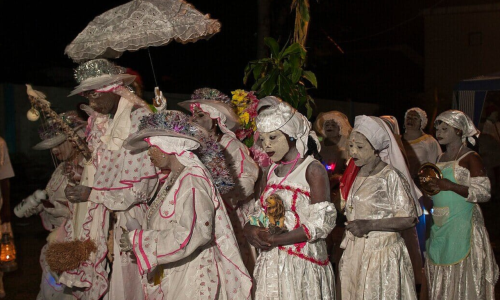
A question we frequently encounter is how our Bwiti indigenous culture has come to incorporate elements of Christianity. It might seem paradoxical to some, especially given Christianity’s history of labeling our practices as pagan and evil, that we find resonance with aspects of the Christian faith. This curiosity deepens when considering the historical efforts of missionaries to eradicate our traditions and forcefully convert our ancestors in the quest for salvation. In this blog post, we delve into the Bwiti tradition, focusing on our Fang branch, exploring the syncretism of Bwiti and Christianity, and discussing why we incorporate elements of Christianity into our traditions. The Impact of Christian Missionaries on the Bwiti Tradition The late 19th and early 20th centuries marked a significant epoch in Gabon with the arrival of Christian missionaries from Europe. Their mission to propagate Christianity had profound repercussions on our indigenous spiritual practices and traditions. Viewing Bwiti and other indigenous religions through a lens of European Christian superiority, they deemed our ancestral rites as pagan, heathen, or “evil,” necessitating conversion for salvation. This era heralded a direct onslaught on the Bwiti faith, as missionaries endeavored to supplant it with Christianity. Despite the portrayal of our traditional practices as ‘evil’ and the coercive circumstances introduced by missionaries, a resilient few among our ancestors persevered in maintaining the Bwiti tradition, ensuring its survival and continuity. Renunciation and Resistance In the wake of missionary endeavors, many Gabonese were either coerced or convinced to forsake their ancestral beliefs. This was achieved through various means, including education that portrayed the Christian worldview as the sole “civilized” option, alongside outright denunciation of indigenous practices. During this time the missionaries destroyed many Bwiti sacred sites, temples and symbols. Nonetheless, this process was neither uniform nor wholly successful. Some communities resisted, adapting their practices to incorporate Christian elements into Bwiti rituals as an act of spiritual and cultural preservation, marking the beginning of a unique synthesis between Bwiti and Christianity. Syncretism as Adaptation The encounter with Christian missionaries led to the syncretism between Bwiti and Christianity observed in contemporary Bwiti practices. The Bwiti tradition, particularly in its Fang variant, absorbed Christian elements that resonated with its own spiritual framework. This included the adoption of Christian symbols, prayers, and even the integration of Christian figures into the pantheon of spiritual beings within Bwiti cosmology. Such syncretism was not merely a passive process but a deliberate act of adaptation and resistance, allowing Bwiti practitioners to retain their spiritual identity while navigating the pressures of colonial and missionary influence. The incorporation of Christianity and Christian symbols into Bwiti rites and traditions is a fascinating example of religious syncretism, where elements from different faith traditions are blended. This syncretism reflects the adaptive and inclusive nature of Bwiti spirituality, especially in how it has integrated aspects of Christianity, a religion introduced to Gabon and surrounding areas largely through colonial missionary efforts. Here are some ways in which Christianity and its symbols have been incorporated into Bwiti practices: Christian Elements in Our Bwiti Rites The Cross: The Christian cross has been adopted into Bwiti rituals as a symbol of spiritual intersection, protection, and guidance. It is often present in Bwiti sacred spaces, altars, and during rituals, signifying a bridge between the earthly and spiritual realms, much like its use in Christianity. Christian Icons and Artifacts: Images of Jesus Christ, the Virgin Mary, and various saints can often be found in Bwiti temples or ritual spaces. These icons are respected as representations of high vibrational beings who can offer guidance and protection to practitioners. In Bwiti belief, Jesus Christ is revered as a high vibrational ancestor or spiritual guide, allowing us to honor Him not merely as a religious figure from Christianity but as a potent spiritual entity exemplifying unconditional love, sacrifice, and profound divine connection. Our rituals may also invoke Christian angels and saints, regarded as spiritual entities offering support, guidance, and intercession, reflecting a widened spiritual pantheon where beings from diverse religious traditions are acknowledged and respected. Adaptation of Christian Rites Holy Communion: Some Bwiti practices, specifically the Fang our branch have adapted the Christian sacrament of Holy Communion, using it as a ritual of spiritual nourishment and unity among practitioners. This adaptation is symbolic, representing the sharing of spiritual wisdom and the strengthening of community bonds. Prayer and Scripture: Christian prayers and passages from the Bible are sometimes incorporated into Bwiti ceremonies, chosen for their universal messages of love, forgiveness, and divine connection. These elements are seamlessly woven into the broader tapestry of Bwiti ritual practices, enriching the spiritual experience. Significance of Syncretism The syncretism of Bwiti and Christianity is significant for several reasons: Cultural Preservation and Adaptation: This syncretism is a testament to the resilience of Bwiti practitioners in preserving their spiritual heritage while adapting to external influences. It represents a form of cultural and spiritual resistance that has allowed Bwiti to remain vibrant and relevant. Spiritual Inclusivity: By embracing elements from Christianity, Bwiti demonstrates a profound spiritual inclusivity and openness. This approach acknowledges the universality of certain spiritual truths and values, regardless of their religious origin. Interfaith Dialogue: The integration of Christian elements into Bwiti can facilitate interfaith understanding and dialogue. It highlights commonalities between different spiritual traditions, fostering a sense of mutual respect and shared spiritual quest. Our Traditional and spiritual practices vividly demonstrate the resilience, adaptability, and openness of our community. By intertwining teachings from a multitude of traditions, we have crafted a holistic and profound spiritual experience that not only honors our ancestral wisdom but also embraces the transformative teachings of Christ. This synthesis between Bwiti and Christianity fosters a harmonious confluence of diverse spiritual paths, propelling us forward in our collective quest for universal truth and enlightenment. Click here to find out more about participating in a Bwiti ceremony for personal and spiritual transformations References:
Choosing an Iboga Provider
When choosing an Iboga provider, it’s essential to consider several key factors. Iboga, a potent psychoactive plant from Gabon in Central Africa, and its derivative Ibogaine, are used for spiritual practices and addiction treatment. Understanding the differences between traditional Iboga providers and Ibogaine clinics, as well as other crucial aspects, is a significant step in choosing an Iboga provider that suits your needs. Iboga or Ibogaine? Traditional Iboga Providers: In these traditional settings, the use of Iboga is much more than a clinical treatment. It’s a holistic journey that encompasses spiritual teachings, ancestral wisdom, and deep personal introspection. Participants are guided through rituals and ceremonies that have been passed down through generations, offering a unique opportunity to connect with a lineage of spiritual knowledge. This form of practice is ideal for individuals seeking not just healing but also a profound, authentic cultural and spiritual journey. When choosing an Iboga provider for such an experience, it’s important to look for someone who not only understands the nuances of the Iboga plant but also reveres and upholds the traditions and rituals of the Bwiti practice. This ensures an experience that is rooted in authenticity, respect, and deep spiritual connection. Ibogaine Clinics: Alternatively, when choosing an Iboga provider for addiction treatment, Ibogaine clinics might be preferable. These clinics specialize in using Ibogaine for treating severe addictions, especially long-acting opioids, offering advanced detox techniques and comprehensive addiction support. Your decision in choosing an Iboga provider should be based on the nature of your addiction and your preference for a traditional or medicalized approach. To find out more about Iboga and Ibogaine, we recommend reading: “Pharmacodynamics and Therapeutic Applications of Iboga and Ibogaine” Training When delving into the training of a potential Iboga provider, it’s essential to recognize this aspect as a fundamental pillar in your decision-making process. The depth and authenticity of a provider’s training play a critical role in ensuring a safe and meaningful Iboga experience. Authentic practitioners should not only be knowledgeable but also completely transparent about their educational and spiritual lineage, which includes several key elements: Their Bwiti Master’s Identity An authentic Iboga provider should be able to openly share the identity of their Bwiti master. This information is crucial because it reflects the lineage of knowledge and the specific teachings they have received. Knowing who has mentored and guided your provider offers insights into the depth and authenticity of their practice. The Specific Bwiti Branch There are various branches within the Bwiti tradition, each with its unique practices and teachings. When choosing an Iboga provider, understanding the specific branch they are trained in can help you align your expectations with the type of experience and approach they offer. This knowledge also assures that the provider’s practices are rooted in a recognized and respected tradition. Lineage and Connection to Bwiti Elders A genuine connection to the lineage and ongoing relationships with Bwiti elders are markers of a provider deeply embedded in the tradition. This connection is not just about training; it’s about ongoing mentorship, spiritual accountability, and adherence to the evolving wisdom of the Bwiti elders. It also signifies a provider’s commitment to maintaining the integrity and purity of the practices as handed down through generations. When choosing an Iboga provider, ensure they are either directly connected to a Bwiti lineage or have been granted permission to serve the medicine by Bwiti elders and ancestral spirits. This connection guarantees the ceremonial protection and overall safety of the Iboga experience. Integrity Assessing the integrity of a provider is crucial. Understand their motivations for becoming a provider. Are they driven by financial gain, or do they have a genuine desire to help and heal? Be cautious of those who might exploit the vulnerabilities of their clients. A provider’s character and intentions are as important as their skills in administering the medicine. Sustainability Given the endangered status of Iboga due to overharvesting, it’s important to ensure that your provider sources Iboga sustainably. Ethical providers will be transparent about their sourcing and should be able to demonstrate that their practices do not contribute to the depletion of wild Iboga. Here is an example of the type of action an ethical Iboga provider should be supporting. Always ask a provider what actions they take to ensure the sustainability of Iboga. The should be able to show you if they donate to a particular project. Reciprocity A responsible Iboga provider will have a clear policy on how they give back to the Bwiti communities and contribute to Iboga’s sustainability. This aspect is crucial in choosing an Iboga provider, as it reflects their broader commitment to the welfare of the plant and its cultural heritage. Client Reviews Finally, research client reviews. Look for testimonials that speak to both the provider’s service and integrity. Pay attention to negative reviews as well; they can offer a different perspective. If there are concerning reviews, consider discussing them with the provider to gauge their response and honesty.
Iboga Movies: 11 films you should watch if you are thinking about trying Iboga
If you are thinking about embarking on a journey to meet Iboga, it’s essential to gather knowledge and insights from various sources. While reading books and articles can provide valuable information, sometimes, visual storytelling through Iboga movies and documentaries can offer a unique perspective and a deeper understanding of the subject. In this blog post, we will explore some of the top Iboga movies to watch if you’re considering trying Iboga as a path to healing and personal transformation. 1. “Iboga Nights” (2014) “Iboga Nights” is a thought-provoking documentary that delves into the use of ibogaine in addiction treatment. The film follows the stories of six individuals struggling with addiction to substances like heroin, cocaine, and methadone. Their journey to overcome these addictions with the help of ibogaine is both enlightening and challenging. The documentary also explores the legal and ethical dilemmas surrounding ibogaine treatment, making it a must-watch among Iboga movies for those considering this form of therapy. 2. “Ibogaine: Rite of Passage” (2013) “Ibogaine: Rite of Passage” takes you on a journey with an American heroin addict who seeks an alternative path to recovery in Mexico through ibogaine treatment. The film features interviews with former addicts, ibogaine facilitators, and experts who share their perspectives on the potential and controversy of ibogaine as a treatment for addiction. The documentary offers a comprehensive view of the challenges and promises of ibogaine, making it a significant entry among Iboga movies. 3. Synthetic Ibogaine – Natural Tramadol – Hamilton’s Pharmacopeia S03E04 (2021) Hamilton Morris investigates how tramadol, a synthetic opioid, was found in iboga, a natural plant that is used by the Bwiti culture in Gabon for spiritual and healing purposes. He travels to France and Gabon to meet with scientists and shamans who study and use iboga and ibogaine, a psychedelic substance that can help people overcome addiction. He also witnesses an initiation ceremony where a young man named Jean-Paul tries to quit tramadol with the help of iboga. Hamilton explores the mystery and the potential of this sacred plant, as well as the challenges and risks involved in its use. 4. “Initiation” (2016) “Initiation” provides an immersive glimpse into the initiation rites of the Bwiti culture in Gabon, where Iboga is used as a sacrament to connect with ancestors and gain profound insights. The film follows Mallendi, a young healer, and his spiritual father as they guide a group of initiates through a five-day ceremony involving music, dance, fasting, and Iboga ingestion. This documentary provides a window into the spiritual and transformational aspects of Iboga and deserves its place among Iboga movies. 5. “Of Night and Light: The Story of Iboga and Ibogaine (2023) “Of Night and Light: The Story of Iboga and Ibogaine” is a documentary that traces the history of ibogaine, a molecule derived from Iboga with anti-addictive properties. It explores the molecule’s discovery by Howard Lotsof in 1962 and its current status as a Schedule I substance in the U.S. The film features interviews with scientists, activists, and patients who share their experiences and insights on ibogaine, making it a must-see among Iboga movie. Get updates on release date here. 6. “Ibogaine: Cure for a Crisis” (2018) “Ibogaine: Cure for a Crisis” investigates the use of ibogaine as a potential solution for the opioid crisis that claims thousands of lives each year. The documentary features powerful testimonies from individuals who have successfully overcome addiction with ibogaine. Experts also shed light on the science and politics behind this controversial treatment, making it a significant entry among Iboga movies. The film unveils the barriers and dangers that hinder the wider acceptance of ibogaine.. 7. “The Twelve” (2019) “The Twelve” is a documentary that brings together twelve elders from various indigenous cultures around the world. These wise elders share their messages of hope, healing, and harmony for the planet and its people. This documentary features late Master Atome Ribenga who is a Bwiti Nima from Gabon. The film also highlights their efforts to preserve their traditions and cultures in the face of modern challenges, making it an essential inclusion among Iboga movies. 8. “Iboga, Les hommes du bois sacré” (2018) “Iboga, Les hommes du bois sacré” is a french documentary that explores the use of Iboga in the initiation ceremonies of the Bwiti culture. The documentary follows a young healer and his spiritual father as they participate in a ritual that involves ingesting Iboga root. It also delves into the medical and scientific interest in Iboga and its alkaloid ibogaine, making it a noteworthy choice among Iboga movies. This documentary is only available in French. 9. “Bwiti Renascence of the Healed” (2017) “Bwiti Renascence of the Healed” offers an in-depth look at a traditional Bwiti healing ritual in Gabon among Iboga movies. The film showcases how a group of initiates undergoes a transformative five-day ceremony involving music, dance, fasting, and Iboga root consumption. This ancient practice is presented as a means of overcoming traumas and emerging as renewed beings. 10. I’m Dangerous with Love (2010) I’m Dangerous with Love” is a documentary chronicling the daring expedition of one man into the realm of shamanic rituals. Dimitri Mugianis, a 20-year heroin addict, finds salvation through a single dose of ibogaine. Filmmaker Michel Negroponte, known for works like “Methadonia” and “Jupiter’s Wife,” immerses himself in the ibogaine subculture. Over three years, he shadows Dimitri as he guides drug users through the same detox process that rescued him from addiction. The catch? Ibogaine remains an illicit substance in the U.S. When Negroponte personally ventures into the world of ibogaine, he encounters firsthand its mind-expanding potential to ‘break open the head.’” 11. “Dosed” (2020) In “Dosed 1,” the documentary follows the story of Adrianne, a woman grappling with depression, anxiety, and opioid addiction. After years of failed prescription medications, she turns to illegal psychedelic medicine, such as magic mushrooms and Iboga, to heal herself. The film illustrates how these substances can help break the cycle of addiction and restore mental health, as well […]
The Miraculous Health Benefits of Iboga: 7 Reasons why it is Still Illegal Today
The health benefits of Iboga, a potent plant native to Central and West Africa, have gained notoriety for their remarkable healing properties. It has shown immense potential in treating a wide range of conditions, from addiction to cancer, and even HIV. Yet, despite its numerous therapeutic benefits, Iboga remains illegal in most parts of the world. In this article, we delve into the seven real reasons behind this prohibition, shedding light on the untapped potential of Iboga in the realms of anti-depression, anti-addiction, anti-cancer, anti-parasitic, anti-fungal, anti-HIV, and anti-diabetic treatments. Moreover, we unveil how the pharmaceutical industry, plays a significant role in keeping Iboga suppressed. Anti-Depression: The health benefits of Iboga are particularly evident in its potential to address depression. Ibogaine, a compound found in Iboga, holds the key to combating this debilitating condition. It acts on 5-HT2A serotonin receptors, increasing serotonin levels in the brain, a known factor in alleviating depression. The evidence suggests that Ibogaine has the potential to be a game-changer in the treatment of depression, offering new hope to millions who suffer from this condition and highlighting the profound health benefits of Iboga Anti-Addiction: The world is grappling with addiction to substances like tobacco, heroin, alcohol, and opioids. Ibogaine, with its ability to modulate dopamine and serotonin levels in the brain, presents a promising solution. Research indicates that just one session with Ibogaine can cure addiction, potentially revolutionizing addiction treatment as we know it. Anti-Cancer: Iboga’s anti-cancer properties further underscore its health benefits. The compound catharanthine, found in Iboga, is a key ingredient in drugs like Vinblastine and Vincristine, which are used to treat lymphoma, leukemia, and other cancers. These drugs disrupt cellular mitosis and trigger programmed cell death, effectively halting the growth of cancer cells. The health benefits of Iboga’s potential in cancer treatment are a compelling reason to explore its legalization and make it accessible to those in need.. Anti-Parasitic: The health benefits of Iboga extend to combating parasites. Studies have shown that Iboga root bark and its alkaloids, ibogaine and voacangine, exhibit significant anti-amoebic activity, leading to the death of parasites. This discovery offers a natural and effective remedy against parasitic infections, showcasing yet another facet of the health benefits of Iboga.; Anti-Fungal: Iboga’s anti-fungal properties make it a valuable resource in the battle against fungal infections. It inhibits Candida enzymes and prevents their attachment to host cells, providing relief from fungal infections. The health benefits of Iboga in this context could potentially reduce the reliance on synthetic antifungal drugs, emphasizing its potential in improving public health. Anti-HIV: Iboga’s derivative, 18-Methoxycoronaridine (18-MC), has shown promise in inhibiting the replication of HIV-1 in human blood and immune cells. With further research, Iboga could emerge as a potent antiretroviral treatment for HIV and AIDS, offering hope for those affected by this devastating virus. Anti-Diabetic/Hyperglycemic: Traditional medicine in Central and West Africa has long utilized Iboga to manage type 2 diabetes. Iboga contains insulinotropic compounds that stimulate insulin secretion, potentially offering a natural alternative to conventional diabetes management. The Suppression of Iboga and Big Pharma’s Interests Behind the curtains of Iboga’s prohibition lies a significant obstacle: the pharmaceutical industry’s vested interests. Iboga’s potential to cure a myriad of illnesses and conditions poses a serious threat to Big Pharma’s multi-billion dollar revenue streams. The industry thrives on the perpetuation of chronic illnesses, as a patient cured is, in their view, a customer lost. To date, the FDA claims that Iboga has potential for abuse, a notion that we dispute vehemently. The real reason for its continued illegality becomes evident when one considers the vast financial implications a plant like Iboga represents. While the prohibition of Iboga remains a contentious issue, it is crucial to recognize Iboga’s untapped potential in addressing some of humanity’s most pressing health concerns. The influence of Big Pharma cannot be underestimated in perpetuating this prohibition, as the industry’s interests are deeply entrenched in maintaining the status quo. With further research and public awareness, Iboga has the potential to challenge the dominance of pharmaceutical giants and offer new hope to individuals suffering from a range of debilitating conditions. Check out ICEERS for more info on Iboga and Ibogaine. Get in touch with us if you are intrested in Joining a Iboga ceremony. References
Iboga Integration: 13 Practical Steps to Lasting Change
Unlocking Transformation: The Power of Iboga Integration The significance of Iboga Integration in the journey of transformation cannot be overstated. Iboga Integration, the art of weaving the profound insights gained from an Iboga experience into your daily life, holds the key to unlocking lasting change. After all, what’s the point of engaging with Iboga if not to catalyze meaningful transformation where it’s needed most? The answer lies within you. The real work unfolds not during the ceremonies, but in the actions that follow the moments of enlightenment. You can’t simply think your way out of life’s challenges; you must take tangible steps toward growth, creativity, and profound revelations. As the saying goes, “The journey of a thousand miles begins with one step.” – Lao Tzu Returning to the ever-moving rhythm of ordinary life after an extraordinary Iboga experience can be a formidable challenge. Iboga, known for its potency, can shake the very foundation of your existence and temporarily disrupt your sense of self. Embracing and embodying the profound changes that these experiences evoke is a crucial part of the journey. Let’s delve into the steps of Iboga Integration, which involve systematically incorporating the insights gained during your Iboga ceremonies into your daily routines, diet, mindset, relationships, and work. This process allows you to truly embody the wisdom illuminated by Iboga Integration. It also involves the transformative practice of shadow work, wherein you confront and integrate rejected aspects of yourself brought to light by the Iboga plant. This journey ultimately leads you to a point where you can serve a purpose greater than yourself, embracing a way of being that aligns with your deepest values and sharing your unique gifts with the world. Each of these Iboga Integration steps requires practical tools and practices to support your transformation across body, spirit, heart, and mind. It’s crucial to address difficult emotions, counter destructive mental patterns, and maintain a healthy connection between your grounded earthly existence and your spiritual self. If you encounter any shortcomings in these areas, Iboga Integration may illuminate them, but it’s your responsibility, through diligent Iboga Integration work, to cultivate new ways of being and thriving. 1 . Harnessing the Positivity of Your Mind After undergoing an Iboga experience, a heightened awareness of your inner dialogue will likely emerge. You’ll gain insight into how you speak to yourself and the self-criticism that can prevail. This newfound awareness can serve as a powerful tool for self-improvement. It’s essential to recognise that your thoughts do not define your identity. Instead, strive to train your mind to work as your ally, not your adversary. When negative thoughts arise, approach them without judgement, then consciously steer them toward positive alternatives. For instance, should you catch yourself thinking, “I’m not good enough,” counteract it with, “I am capable and deserving of success.” Rather than proclaiming, “I am failing,” affirm, “I am trying and learning.” 2 . Take Action, Avoid Procrastination Following your Iboga experience, you’ll receive a plethora of insights and inspiration to enact change in your life. It’s imperative not to delay taking action while waiting for the perfect moment, as it may never arrive. Procrastination can lead to anxiety and disrupt inner peace. Tackle tasks promptly to prevent accumulating stressors. For example, instead of postponing a difficult conversation, address it promptly to prevent lingering tensions. If you feel a calling to embark on a new venture, take that initial step toward its realization. Start drafting that business plan or reach out to potential mentors. 3 . Distance Yourself from Toxic Influences Iboga has the power to reveal the unvarnished truth about people and situations in your life. It may expose energy-draining individuals or a job that saps your vitality. Trust your instincts; if something feels toxic, it likely is. Establish clear boundaries to safeguard your emotional well-being. For instance, if a friendship consistently leaves you feeling drained and negative, it might be time to limit your interactions or consider ending the relationship. If you find yourself dreading work daily, it may be a sign to explore new job opportunities. 4 . Prioritize Self-Care Iboga has the capacity to reset your mind, body, and spirit. Leverage this opportunity to cultivate healthy habits that promote physical, emotional, and mental well-being. Regular exercise, prioritizing restful sleep, nourishing your body with wholesome foods, and staying hydrated can facilitate your transformation. Consider signing up for daily yoga classes to release endorphins and uplift your mood. Exploring a whole food vegan diet could also be an option to enhance your well-being. 5 . Embrace the Present Moment During your Iboga experience, you’ll be presented with the chance to revisit your past and grant forgiveness to yourself and others for past traumas. Embrace this gift and commit to moving forward after your experience. Dwelling on the past or worrying excessively about the future can lead to anxiety and depression. Practice mindfulness to find solace in the present moment. For example, when your thoughts wander to past regrets or future anxieties, redirect your focus to your immediate surroundings and sensations. Employ slow, deliberate breathing while counting down from 10, grounding yourself in the present. Remember, only the present moment holds significance; the future remains uncertain. 6 . Cultivate Acceptance Recognize that external circumstances and other people lie beyond your control. Embrace acceptance, surrendering to the natural flow of life, and concentrate on managing your reactions. During your Iboga ceremony, you can request assistance from the plant in identifying moments when you seek undue control. For example, rather than attempting to change a challenging coworker, accept their behavior and adapt your responses to preserve your inner peace. 7 . Pursue Your Life Purpose Act upon your passions and establish clear objectives. Iboga often bestows insights into your life’s purpose—use this as your guiding compass when making decisions. If Iboga revealed a passion for art, commit to creating art consistently, establish milestones, and work toward sharing your creations with the world. 8 . Give Back Iboga grants you the gift of […]
The Significance of Lineage in Bwiti Iboga Healing
Ancestral Wisdom, Protection, and Transformation At Bwiti Roots, our roots run deep. Our founders and facilitators are above all direct descendants of the Bwiti lineage, carrying the ancient genetic codes and memories of generations of healers and shamans. Equally, this connection forms the foundation of our sacred Iboga healing practice, allowing us to channel the wisdom of our ancestors into transformative ceremonies. Through the powerful bond with our lineage, we are able to provide a safe and sacred space for profound healing and spiritual growth. During our ceremonies, our facilitators invoke the spirits of their family tree. This practice goes beyond tradition; it’s a vital means of protection, guidance, and the channeling of sacred teachings in the realm of Iboga healing. In like manner the profound connection we share with our lineage allows us to create an environment that fosters authentic transformation. With ancestral energies surrounding us, we craft a space where participants can embark on their inner journey with confidence and trust. Nonetheless, In a world where many providers offer ceremonies without a genuine connection to lineage, danger looms. Holding a ceremony without ancestral blessings and protection can attract malevolent spirits, disrupting the delicate balance of a true Bwiti Iboga healing. It’s a risky endeavor that can have serious consequences. For this reason, our lineage isn’t just our heritage; it’s our armor in the world of Bwiti Iboga healing. It safeguards the integrity of our work and ensures an authentic connection with the spirits. This is why Bwiti Roots operates as a non-profit. Every retreat’s profit directly reinvests into our Bwiti family, supporting our mission, safeguarding Iboga, and honoring the legacy of our ancestors. Our commitment to preserving this sacred wisdom is unwavering. Here are 8 reasons why lineage matters when choosing an Iboga provider: 1. An Ancestral Blessing Bwiti ancestral lineage carries the blessings, teachings, and protection of the ancestors, creating a sacred transmission through generations. 2. Earned, Not Taken Authentic Bwiti providers are chosen by the ancestors and guided along their path, not merely made through paid for courses or by taking part in a single iboga healing ceremony. 3. Genetic Code and Memories Direct lineage grants access to the DNA and memories of ancestors, including teachings that can only be passed down this way in the realm of Bwiti. 4. Flow of Energy Initiations and blessings flow through teachers, creating a connection between generations and preserving ancient wisdom. 5. Ancestral Wisdom Keepers A strong lineage connection ensures the preservation and passage of ancestral wisdom to future generations. 6. Sacred Space Bwiti Iboga Providers create a secure space by invoking the ancestors from their lineage, who guide participants during ceremonies. 7. Divine Connection Lineage connects us to a higher source; honoring ancestors becomes a means of honoring our creator . 8. Connection to the Land Bwiti Iboga providers connected to lineage share a connection with the land, which extends protection, healing, and guidance to participants during and after ceremonies. Through the power of lineage, Bwiti Roots offers a path of healing and transformation that is deeply rooted in tradition, protection, and ancestral wisdom for Iboga healing. If you’re drawn to support our cause or join our retreats, reach out to us here or you can donate directly here. Let’s honor our past while embracing a journey of growth and healing together. Learn how to make an ancestral altar in the ‘African Traditional Religions Textbook’ – Chapter 5